Tuesday, November 11, 2025

Here’s a new blog post to catch everyone up on what’s happening with Seashellter/ Bhome


Seashellter Update: Fall 2025

The Seashellter project has been making exciting strides over the past few months, deepening its commitment to ecological innovation and sustainable building. For those new here, Seashellter is a visionary initiative developing modular, circular or dome-shaped structures—structures that can be "grown" from interlocking pods made from plasticrete, the innovative process that fuses single-use thermoplastic film and bag waste with heated sand or other aggregate, transforming what would be pollution into a practical and resilient building material.

Expanding the Seashellter Vision

Recent updates focus on refining these modular pods for real-world application. The team is now experimenting with different geometric designs that mimic nature—think of the protective spirals of a seashell or interconnected beehive cells. Each Seashellter pod can be linked with others enabling the creation of full, adaptable, and expandable living spaces on land or water. The circular dome shape provides strength and weather resistance, distributing stress efficiently and offering excellent insulation with minimal materials.

Circular Building, Circular Economy

Every pod begins as discarded plastic, which is layered upon itself and  fused with  hot sand or aggregate using Pete’s unique plasticrete process. The result is a robust, weatherproof building block. The project not only diverts waste from oceans and landfills but also demonstrates how even “single-use” plastics can support resilient, self-sustaining habitats.

What’s Next?

  • Ongoing experiments are tweaking the pod design to maximize strength, stackability, and ease of construction. The team is exploring ways to allow structures to "grow" organically—just like a coral reef or living root system.

  • Seashellter is reaching out to seasteader and eco-building communities for feedback and collaboration, aiming to pilot the first floating or coastal shell structure by 2026.​

  • Efforts continue on optimizing the plasticrete formula, with new aggregates and thermal treatments being tested for durability and environmental impact.

Join the Conversation

Seashellter has always been a community-powered project. The blog encourages input and partnership from engineers, builders, environmentalists, and anyone passionate about turning plastic pollution into sustainable shelter. Stay tuned for more updates, design diagrams, and calls for collaboration as the project moves from experimental pods to full-scale habitats!


Seashellter stands as a real-world experiment in circular building and circular living—taking waste out of the environment and putting it at the foundation of the future.

Friday, April 5, 2024

Post seasteading March Social Post

 whelp,
That was that,

Not sure if i was able to convey succinctly the concepts of creating protopian biophilic regenerative floating ecosystems from fused plastic film and bag waste using hot sand as well as i wanted, but, hey, its a start.


Rome wasn't built quickly, 


So my expectations will have to abide.

messing around with Chatgpt4 , Midjourney, and Night cafe  

all shall be revealed


Did the concept of forming inexpensive hollow tessellated hexagonal  prismatic  shelter made from discarded plastic bags and other thermoplastic film fused with hot sand .


Even this self depreciating attempt .


what do these images have in common?


little help here. gpt4 image prompts

Friday, June 23, 2023

Forepray for good weather

 Manifesting clear skies and bright eyes 


Checkout this Meetup with Brooklyn Seasteading: https://meetu.ps/e/MdFWc/slZh/i


https://youtu.be/z-7odcr3n1w


https://youtu.be/tbZEEPxNw_E


https://photos.app.goo.gl/iPDTfby8c8qaBxAq6


https://photos.app.goo.gl/G3TntqHFnCu6tnNL8

Saturday, April 1, 2023

checking in from the yurt in the dirt

some recent adventures from Delaware county.

not sure if this gets published anywhere.

but, wcgw?

I have pivoted from hexagonal structures to round yurts, and reinventing them as we go.

retaining wall from used tires, platform woven from reclaimed elevator cable and packed earth.


now with trees 


 https://www.youtube.com/watch?v=YQDBm1wjjNw

chumming the water


Thursday, January 19, 2023

Sunday, September 19, 2021

Plasticrete Workshop September 23

https://www.facebook.com/events/1985042654992059?ref=newsfeed


Thursday September 23 2021

11 am -6 pm


Fusing hot sand and scrap  plastic film  and bags into structures and sculpture, cause, why not


random screenshots


Tuesday, April 13, 2021

plasticrete workshop April 21 2021

Just putting it out there, 
Next Wednesday 
31 Church ave Brooklyn 
Come explore, experiment and expect nothing 


Wednesday, February 3, 2021

Friday, January 22, 2021

Plasticrete Workshop yesterday

 much fun was had, sand was heated, plastic got fused


Pete on Plasticrete @ workshop


Friday, January 15, 2021

Putting Plasticrete on the Blogger


 creating a robust  functional  material from reclaimed materials.
Plastic film and bags

Plastic film, which provides 39 percent of all plastic packaging, is a thin-gauge packaging used as a bag or wrap. Examples include plastic grocery sacks, trash bags, dry cleaning garment bags and plastic or stretch wrap. Plastic film is less than 10 mils thick, averaging 0.7 mils to 1.5 mils. A mil is 0.00l inch.

Most plastic trash bags are less than one mil thick.


Almost 40% of plastic produced is film 


Recycling plastic film is difficult because the manufacturing process uses diverse resins and colors. Most bags, sacks and shrink wrap are made from low-density polyethylene (LDPE), linear LDPE or high-density polyethylene (HDPE). Polypropylene and polyvinyl chloride (PVC) also are used.

Additionally, many films blend or co-extrude two or more resins. Individual product characteristics may create remanufacturing problems. For instance, stretch wrap requires a "tackifier" so that it can cling, yet this quality is not desired in a bag.


Because plastic film does not degrade, degradable plastics are a proposed substitute. However, "degradable" bags will degrade slowly, if at all, in a modern landfill. As a result, a Florida requirement that plastic bags be degradable was repealed.


plasticwastefeat.png


Tuesday, September 1, 2020

pics and renders of past work

Been a minute

Let me drop some old b 's


For those crypticly challenged, trying to follow along from home,
We are pivoting to plastic
Seeking to create structures from film scrap, ( mainly LDPE stretch film and single use bags ) by fusing and laminating said materials with hot aggregate material ( presently sand) to create robust components.

Saturday, March 14, 2020

multiply negatives, what to do with plastic pollution


Does the lotus unfold on its own 

Or is intervention a necessity?


I came here to develop a technique to create useful, functional sculptures from ubiquitous plastic waste .

It's a long shot, not my first ( see: build eco-arts center Trenton nj, sustainable low-cost modular shelter systems, and of course the reinvention of the egg )


Perhaps I bite off more than I can chew. But grand problems may require grand solutions.  


My hypothesis is that most of the plastic waste that is thermo plastic as opposed to thermo setting. Which means that it will soften fuse and melt under heat. ( thermosetting plastic is more like a two part epoxy,  and can't be remelted).

So, with a bit of heat <275°C and pressure we can form laminated sheets of plastic hdpe,ldpe,pete,  PVC and a few others which comprise the bulk of ocean plastic as well as " recycled " plastic.

Instead of sorting these different polymers and worrying about contamination,  clean them a bit, and then heat, press and form them into thick continuous sheets. 

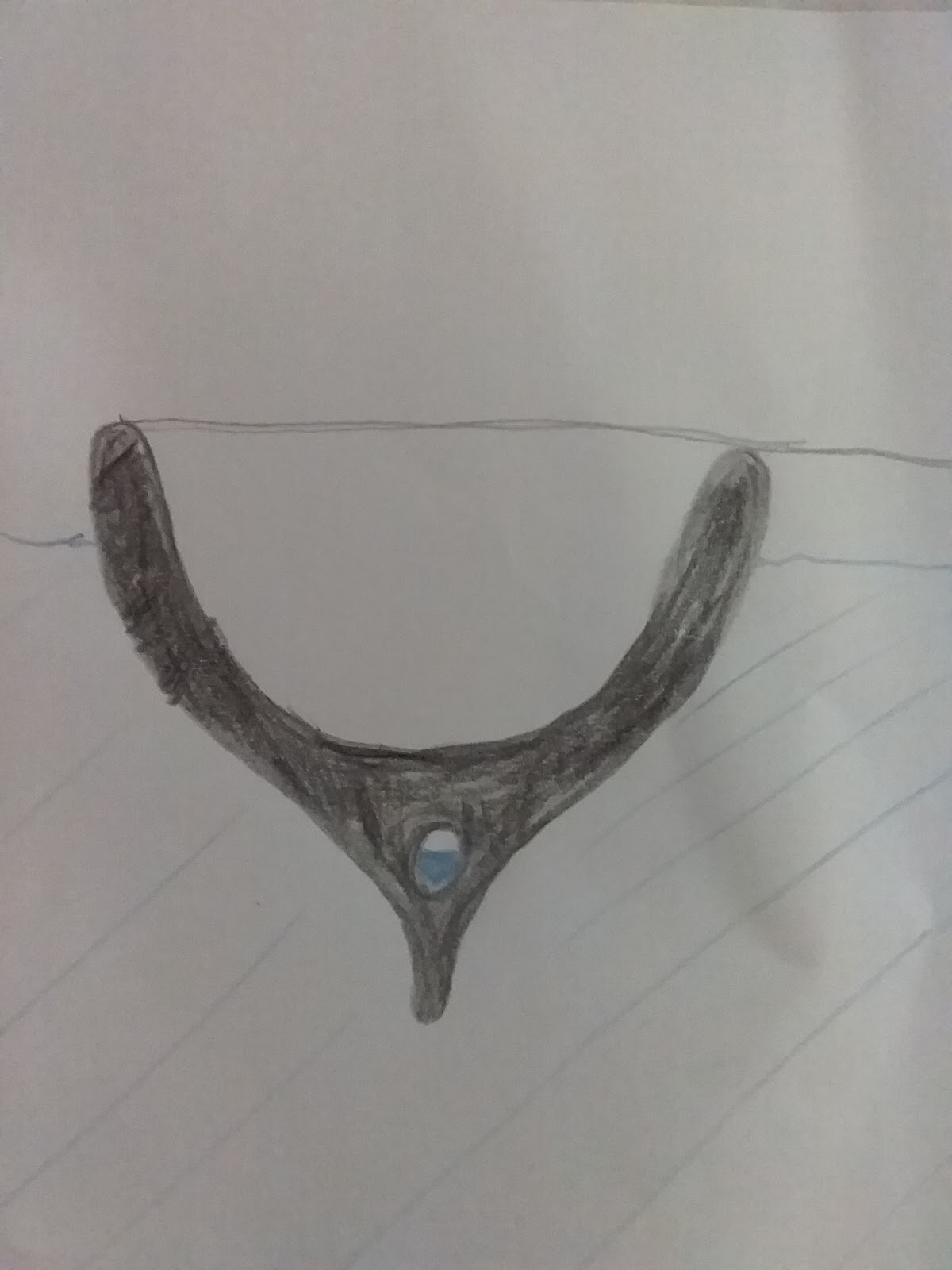
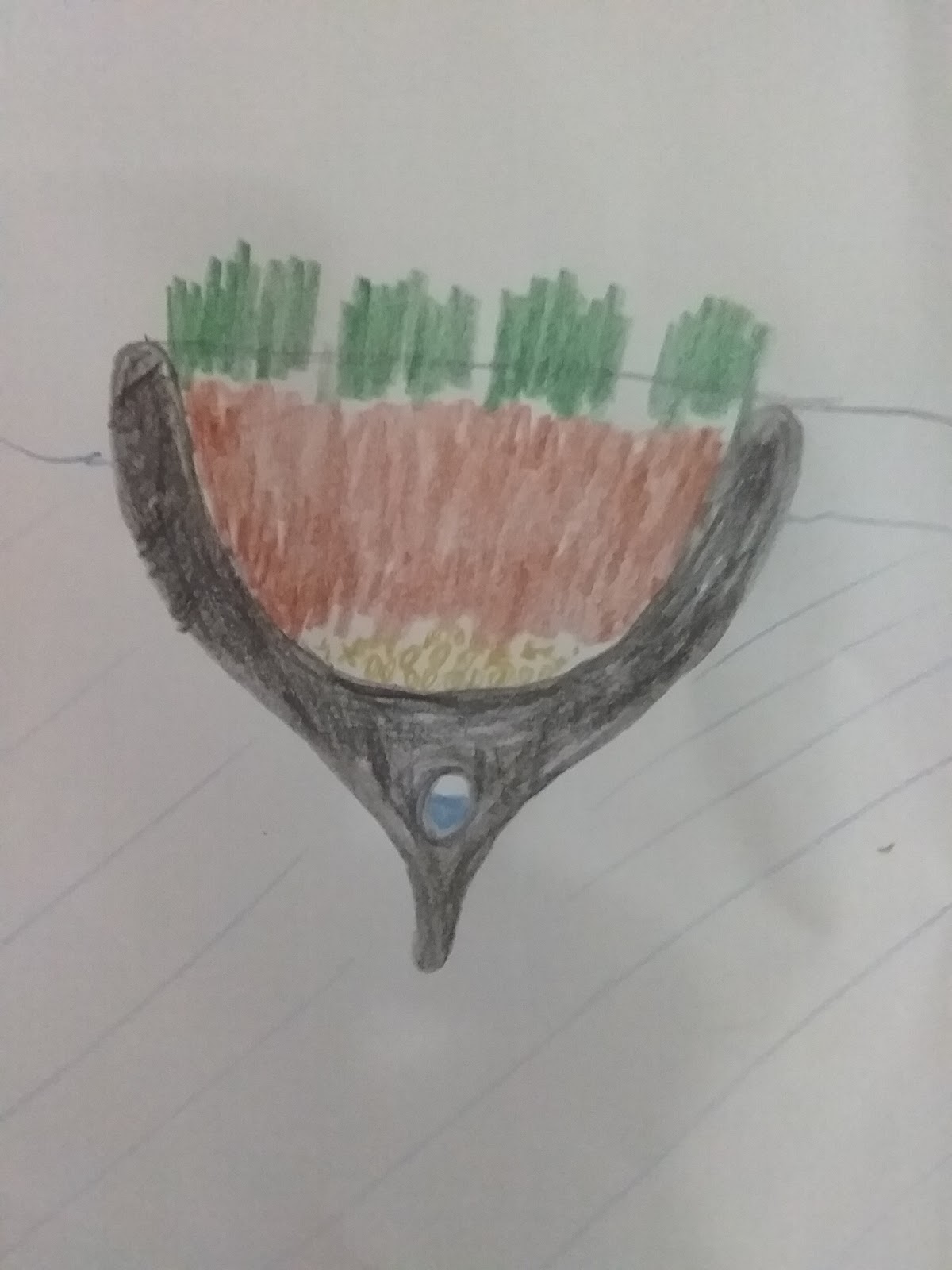
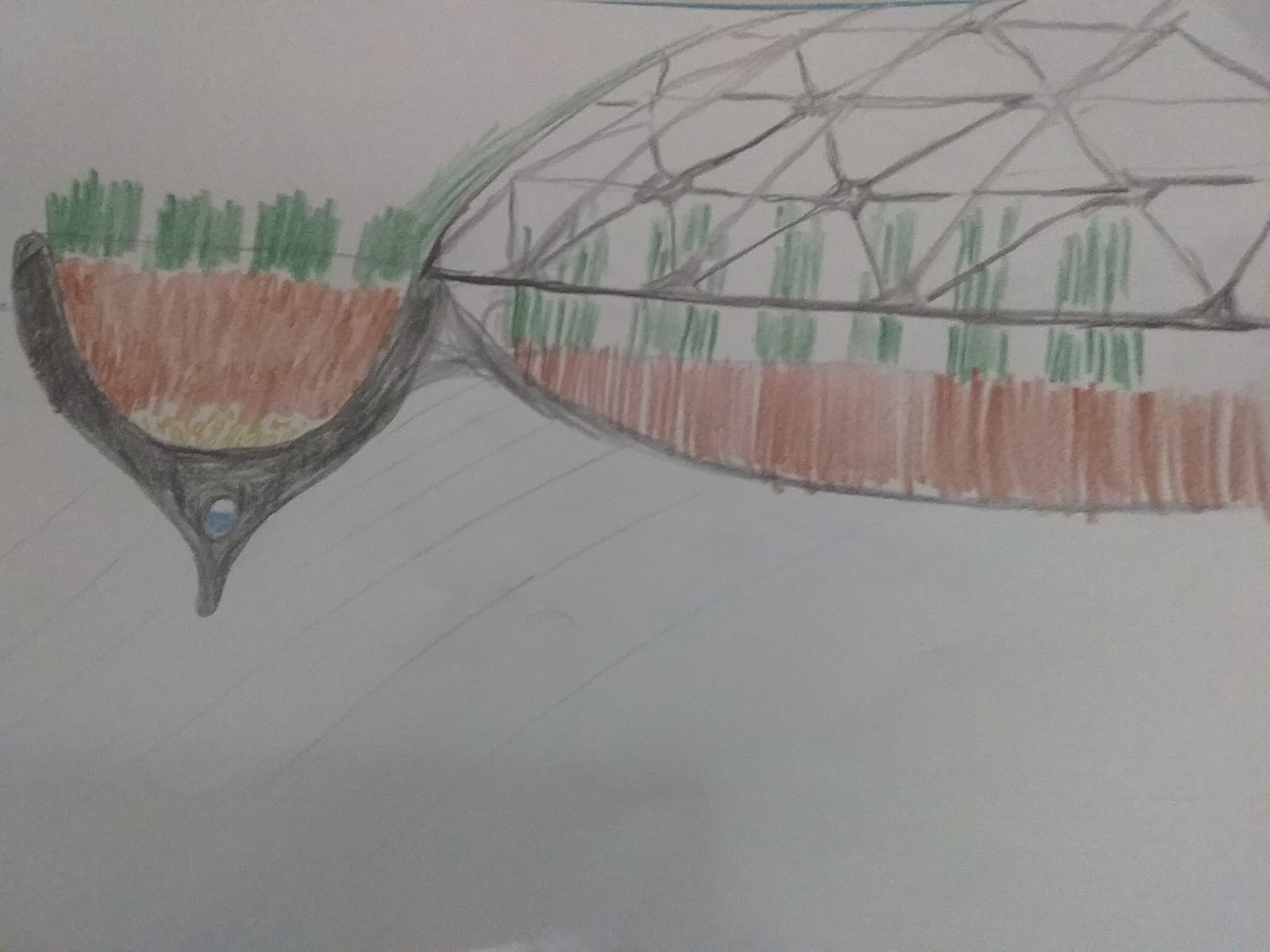
These forms will be anywhere from 20-100cm thick, the shape of which closely resembles a hull of a ship.

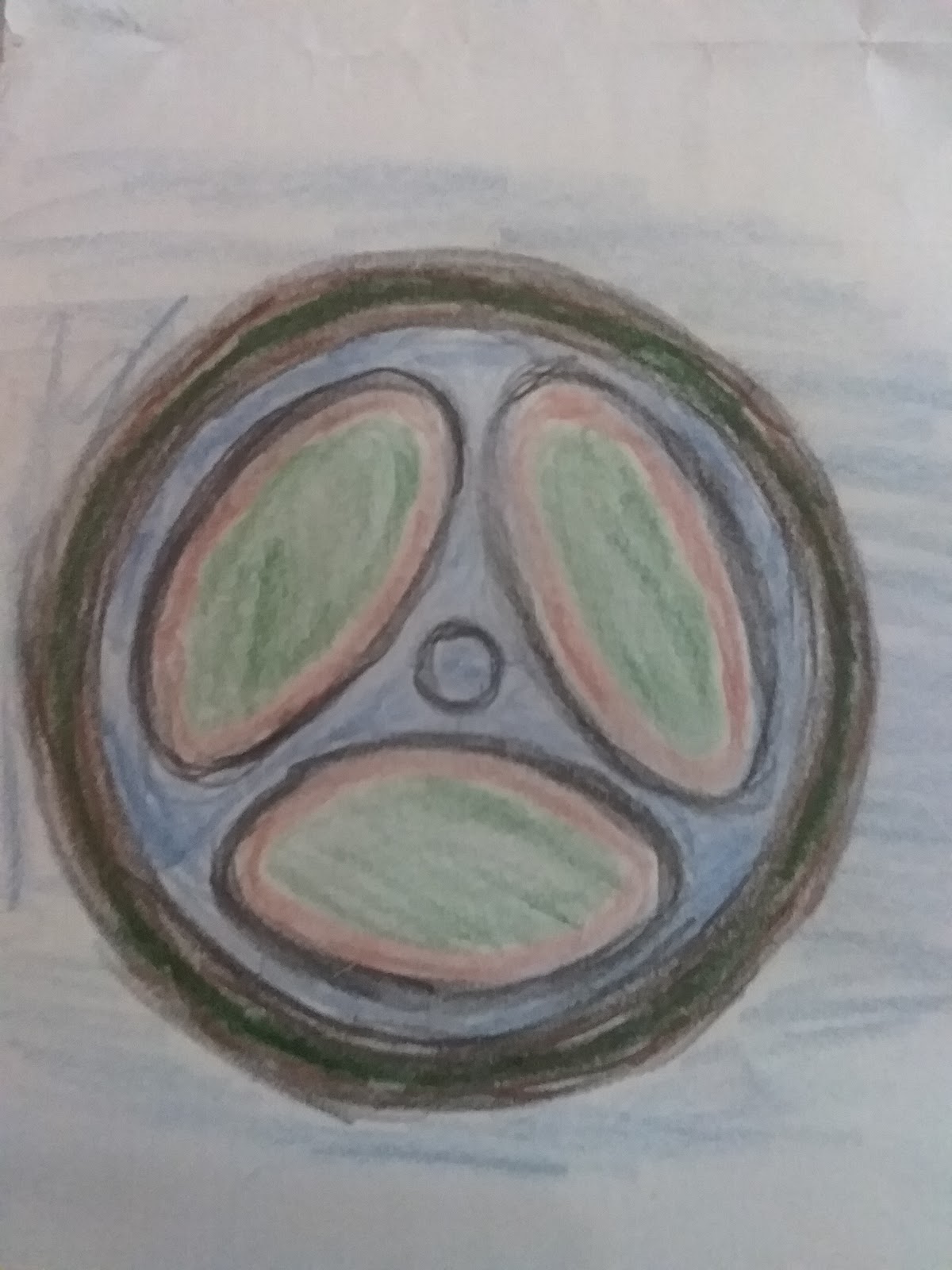
Instead of being linear,  this hull arcs around to form a torus (donut).


There is a drainage pipe running through the circumference (nts). 

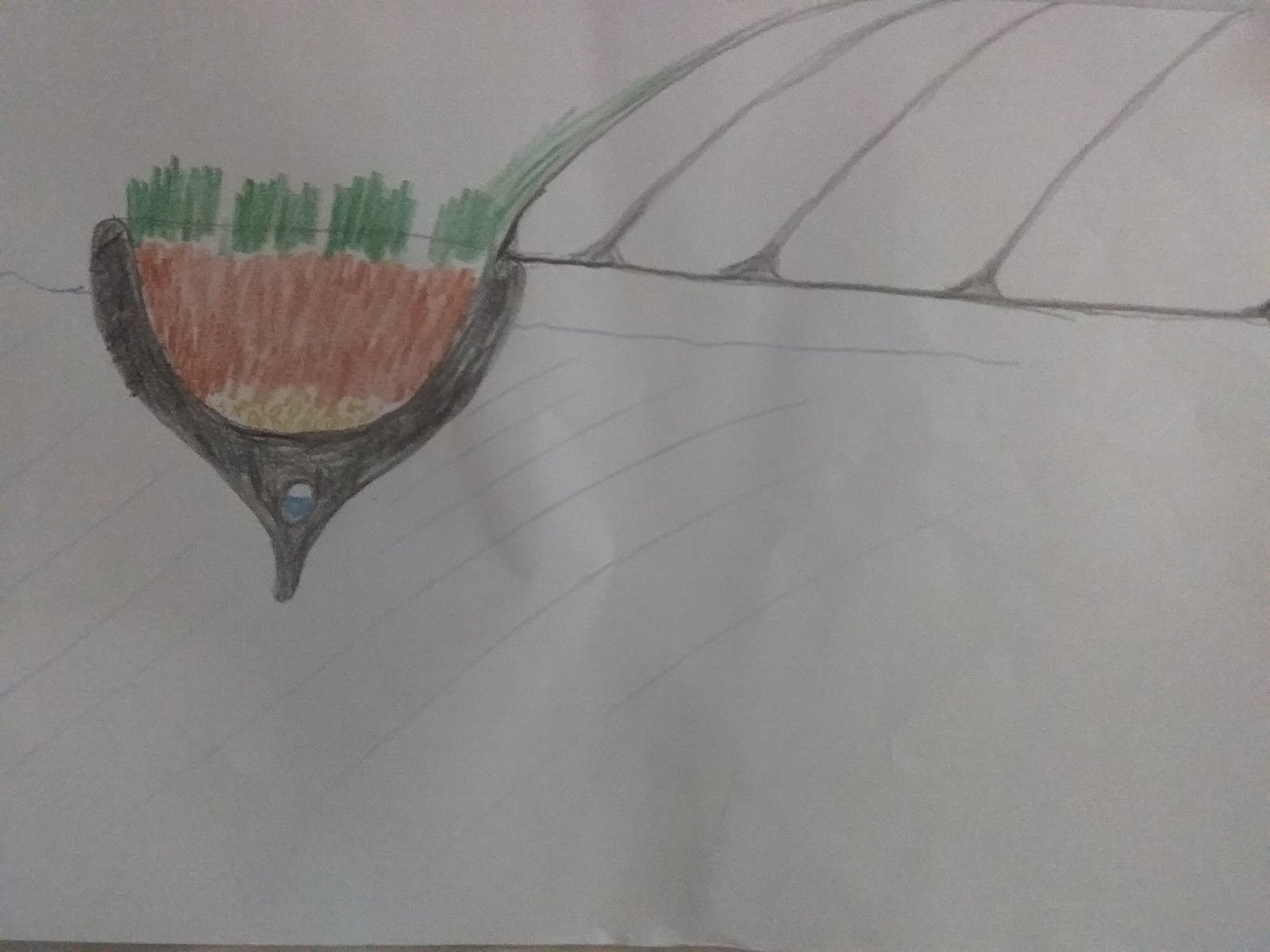
It is back filled with soil ,silt and organic matter which acts as a growing medium. 


Inside the torus, is suspended three more floating mats of soil, semi submerged in a fresh water situation,  these areas can grow rice and other water loving plants.

Although it has agricultural, aquacultural and seasteading applications,  my main objective is to provide wildlife habitat. 

Although,  that may not pay the bills.


a dome is constructed over the inside.