Fusing plastic film
Confusing masses

Plastic film, which provides 39 percent of all plastic packaging, is a thin-gauge packaging used as a bag or wrap. Examples include plastic grocery sacks, trash bags, dry cleaning garment bags and plastic or stretch wrap. Plastic film is less than 10 mils thick, averaging 0.7 mils to 1.5 mils. A mil is 0.00l inch.
Most plastic trash bags are less than one mil thick.
Almost 40% of plastic produced is film
Recycling plastic film is difficult because the manufacturing process uses diverse resins and colors. Most bags, sacks and shrink wrap are made from low-density polyethylene (LDPE), linear LDPE or high-density polyethylene (HDPE). Polypropylene and polyvinyl chloride (PVC) also are used.
Additionally, many films blend or co-extrude two or more resins. Individual product characteristics may create remanufacturing problems. For instance, stretch wrap requires a "tackifier" so that it can cling, yet this quality is not desired in a bag.
Because plastic film does not degrade, degradable plastics are a proposed substitute. However, "degradable" bags will degrade slowly, if at all, in a modern landfill. As a result, a Florida requirement that plastic bags be degradable was repealed.


Does the lotus unfold on its own
Or is intervention a necessity?
I came here to develop a technique to create useful, functional sculptures from ubiquitous plastic waste .
It's a long shot, not my first ( see: build eco-arts center Trenton nj, sustainable low-cost modular shelter systems, and of course the reinvention of the egg )
Perhaps I bite off more than I can chew. But grand problems may require grand solutions.
My hypothesis is that most of the plastic waste that is thermo plastic as opposed to thermo setting. Which means that it will soften fuse and melt under heat. ( thermosetting plastic is more like a two part epoxy, and can't be remelted).
So, with a bit of heat <275°C and pressure we can form laminated sheets of plastic hdpe,ldpe,pete, PVC and a few others which comprise the bulk of ocean plastic as well as " recycled " plastic.
Instead of sorting these different polymers and worrying about contamination, clean them a bit, and then heat, press and form them into thick continuous sheets.
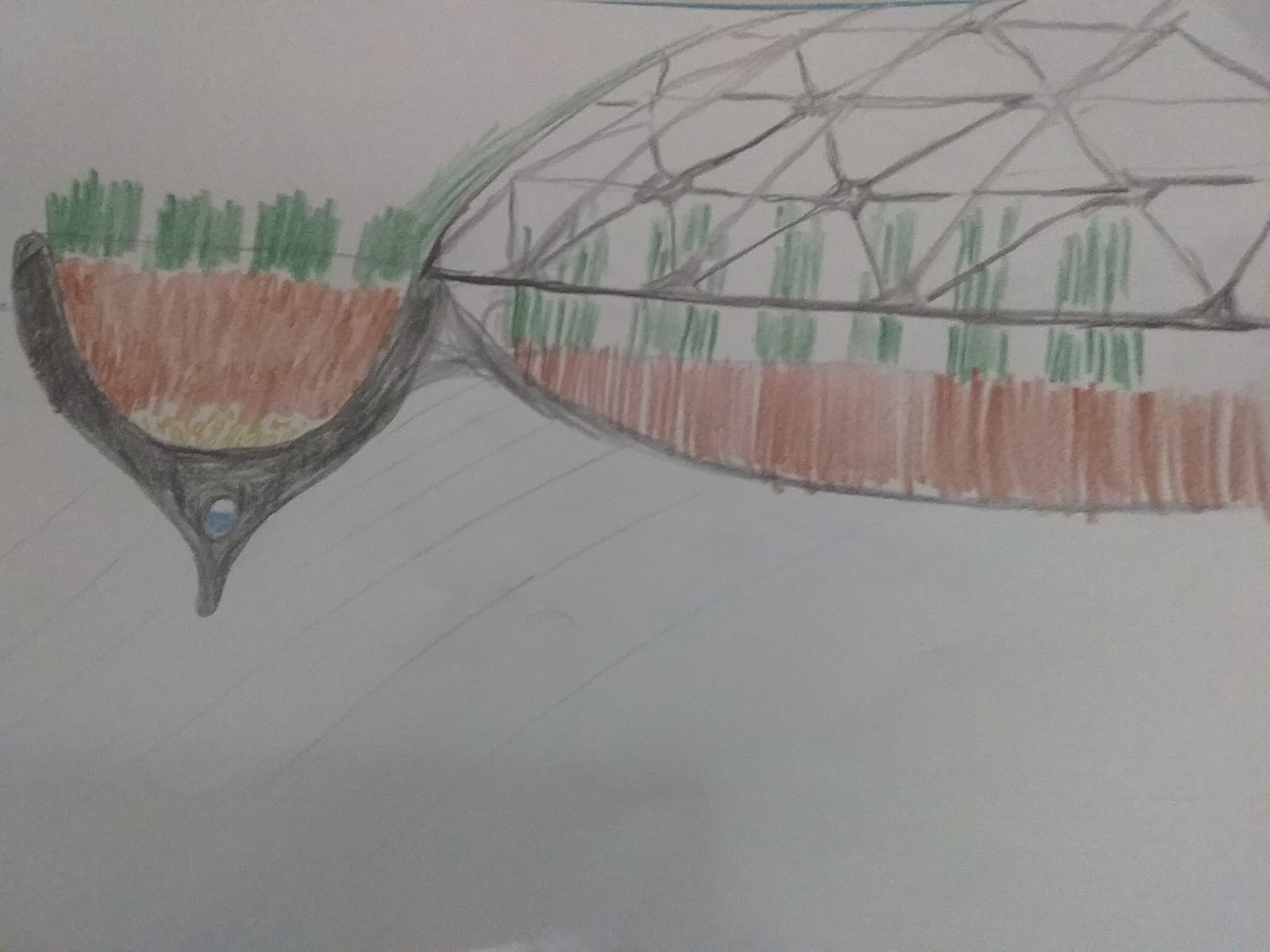
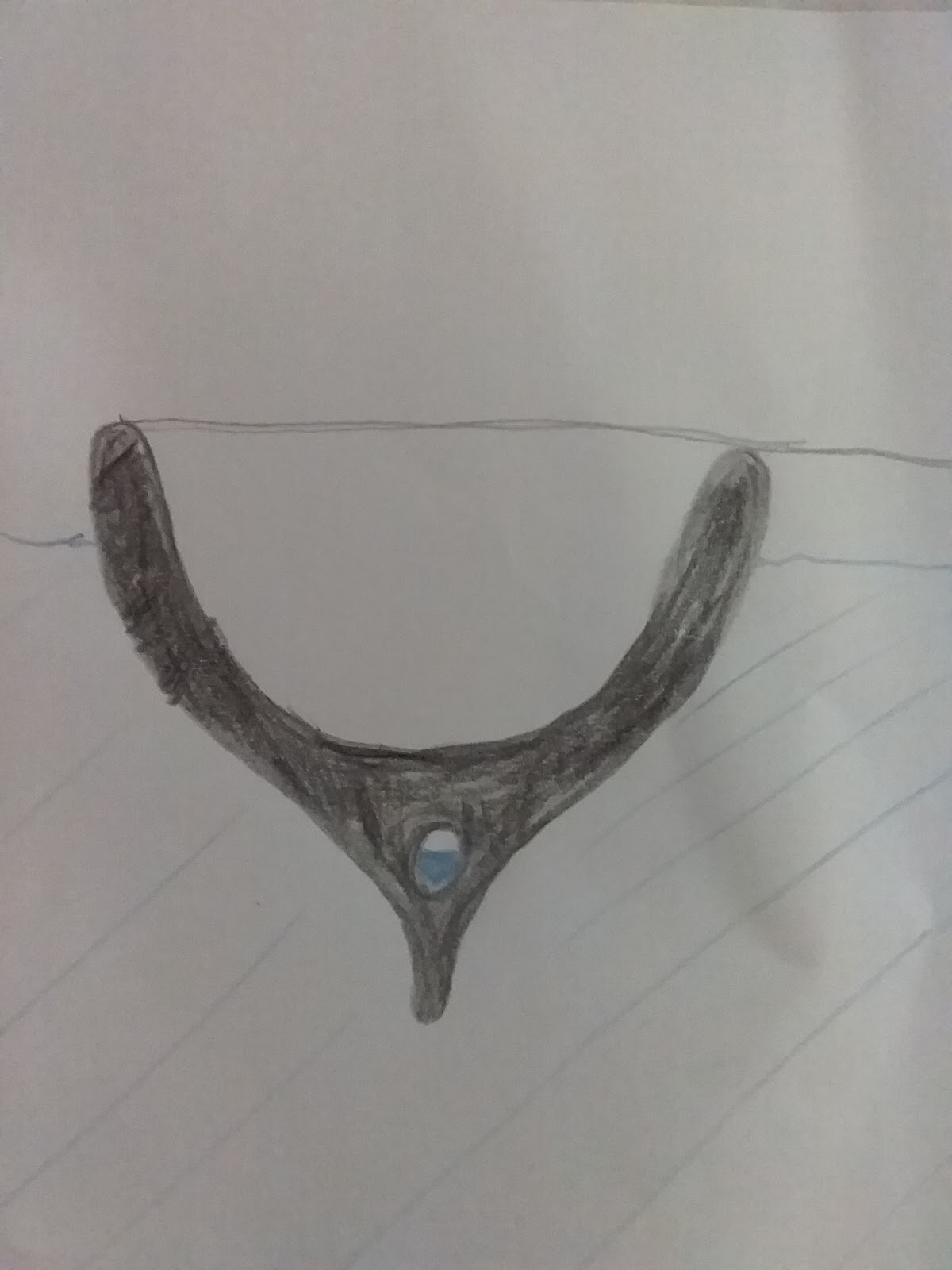
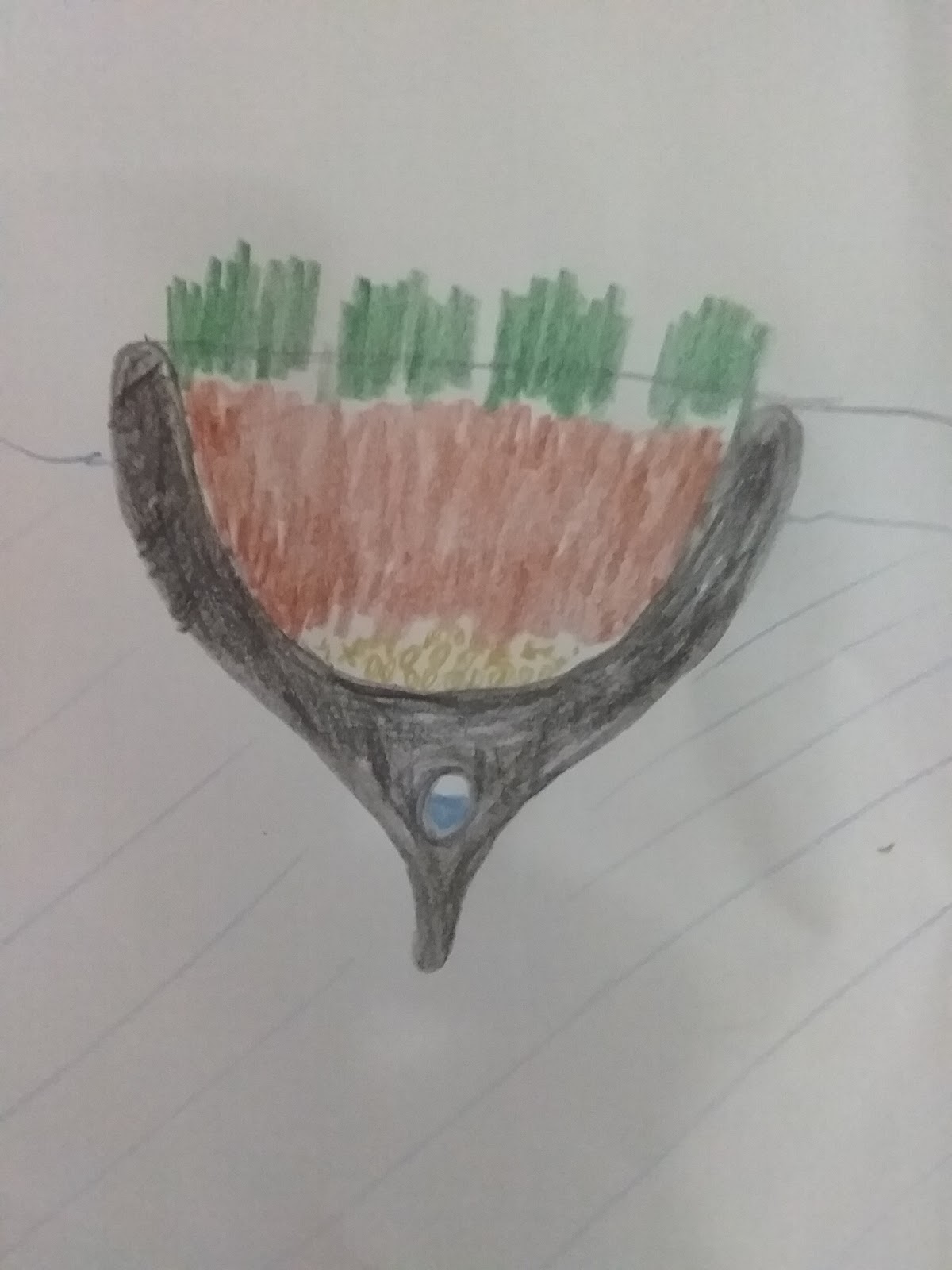
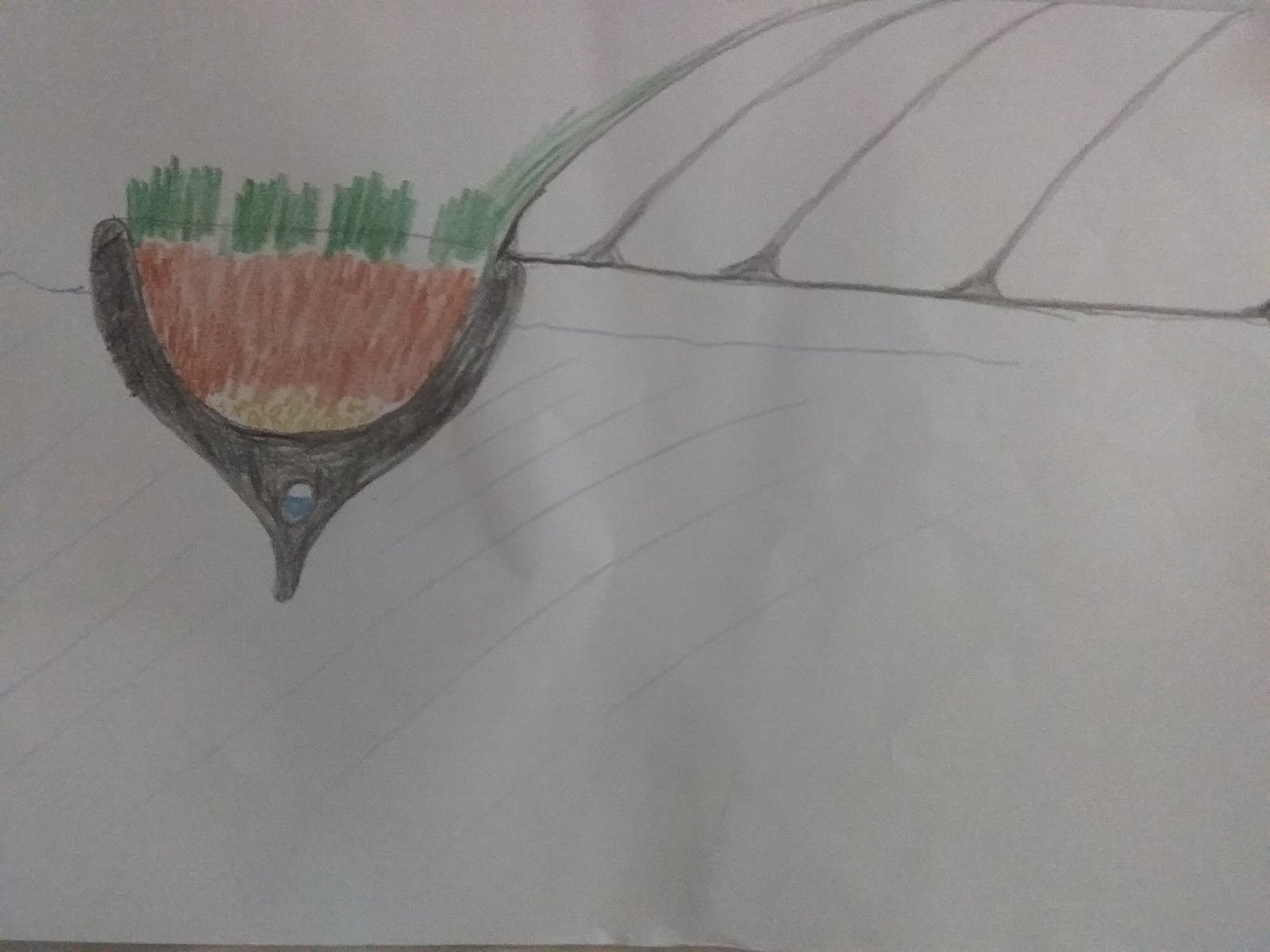
These forms will be anywhere from 20-100cm thick, the shape of which closely resembles a hull of a ship.
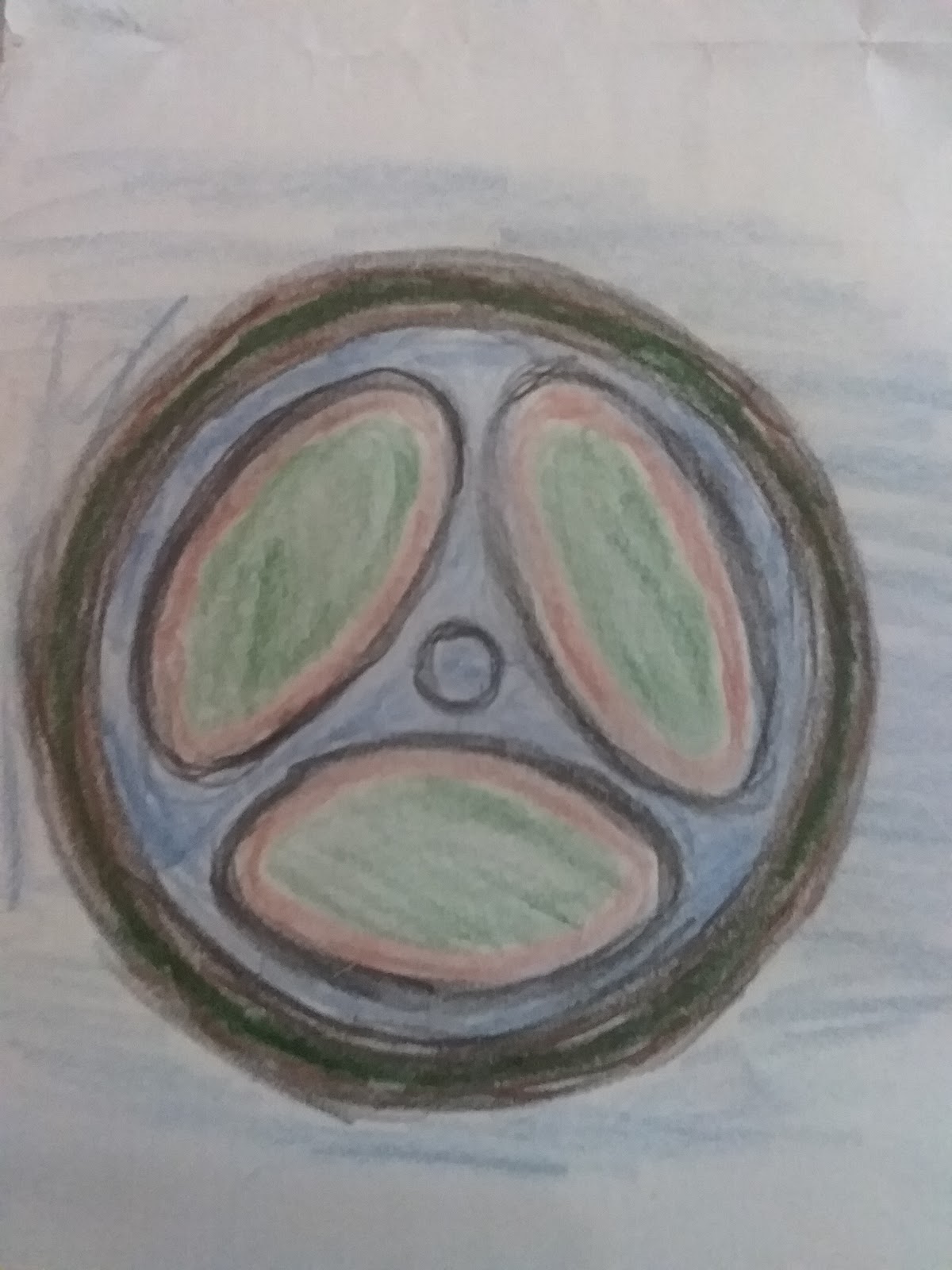
Instead of being linear, this hull arcs around to form a torus (donut).
There is a drainage pipe running through the circumference (nts).
It is back filled with soil ,silt and organic matter which acts as a growing medium.
Inside the torus, is suspended three more floating mats of soil, semi submerged in a fresh water situation, these areas can grow rice and other water loving plants.
Although it has agricultural, aquacultural and seasteading applications, my main objective is to provide wildlife habitat.
Although, that may not pay the bills.